gallery

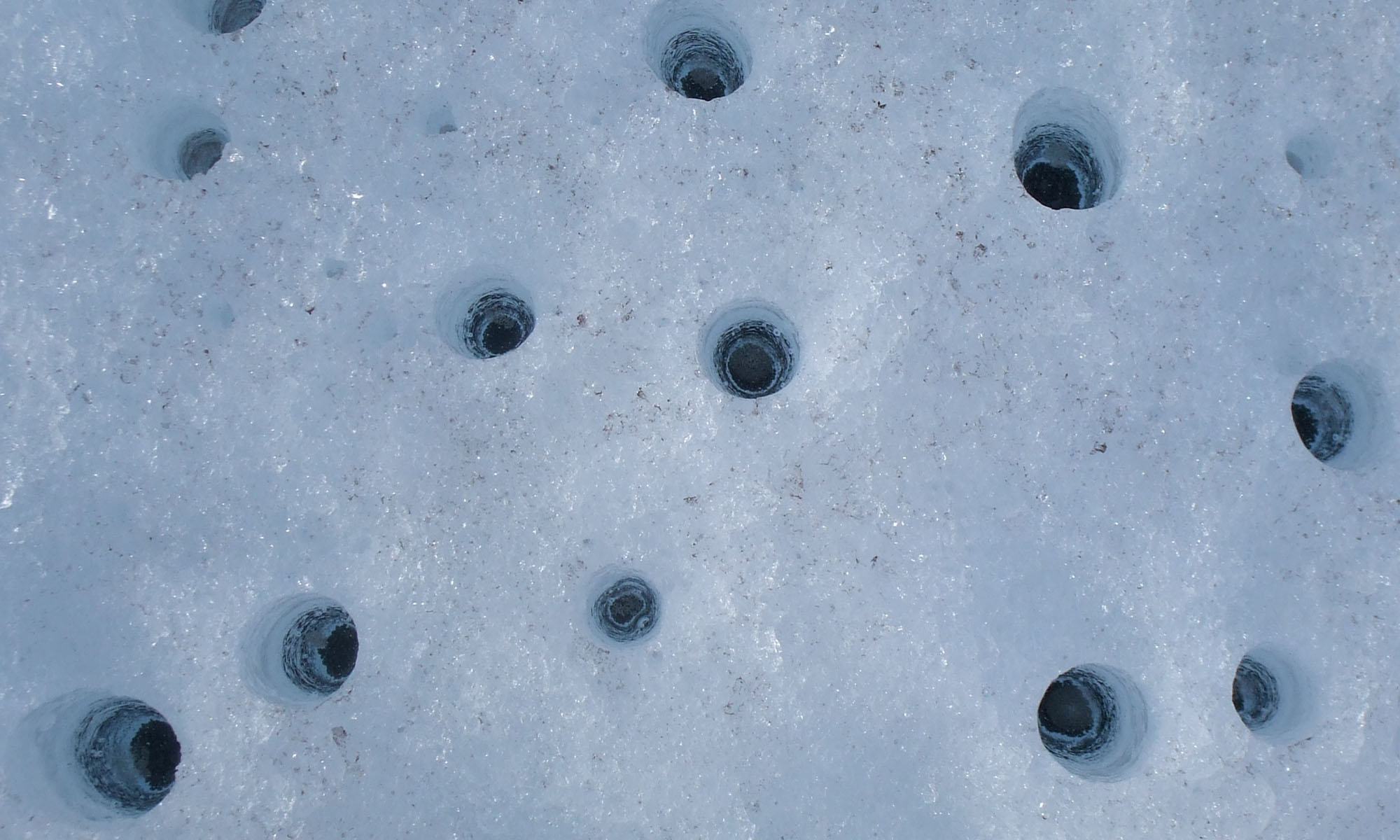
cryoconite holes
cryoconite holes
cryoconite hole
cryoconite hole
cryoconite hole
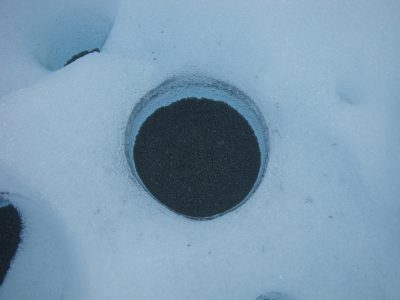
A hole on the bed of a melt lake, melted into the ice of Petermann Glacier. The brown material at the bottom of the hole is referred to as ‘cryoconite’ and is of particular interest to scientists. It lowers the ‘albedo’ of the ice -the ability to reflect radiant heat from the sun- because its colour is a darker part of the spectrum. The cryoconite which resembles a sludge or silt, absorbs more heat than the surrounding lighter coloured ice, which causes the ice underneath it to melt deeper causing the hole formation.
cryoconite holes
cryoconite holes
cryoconite holes
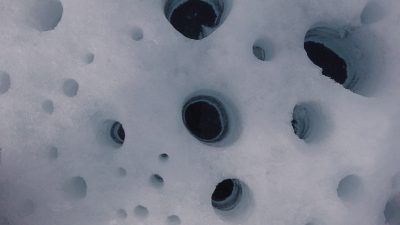
Holes called cryconites form on the ice sheet when dust blows in from land. The dark dust settles on the ice, where it absorbs heat from the sun. The heat melts the ice underneath the dust and creates holes the diameter and depth of pockets on a pool table that fill with icy water. Several researchers prone to stepping in the cryoconites began to call them booby traps.


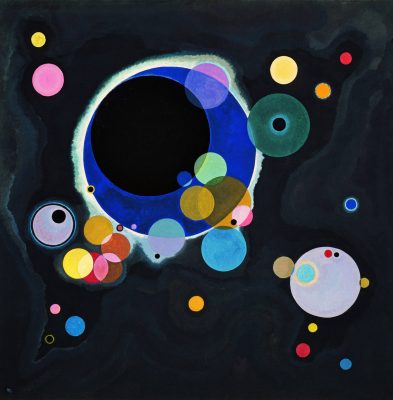
Wassily Kandinsky - Several Circles - 1926
Wassily Kandinsky – Several Circles – 1926
Abstract artwork, diversely coloured, mostly circular motifs.

Wassily Kandinsky - Several Circles - 1926
Wassily Kandinsky – Several Circles – 1926
Abstract artwork, diversely coloured, mostly circular motifs.

Wassily Kandinsky - Several Circles - 1926
Wassily Kandinsky – Several Circles – 1926
Abstract artwork, diversely coloured, mostly circular motifs.